Enisala Fortress: A Boundary Stone of Dobrujan History
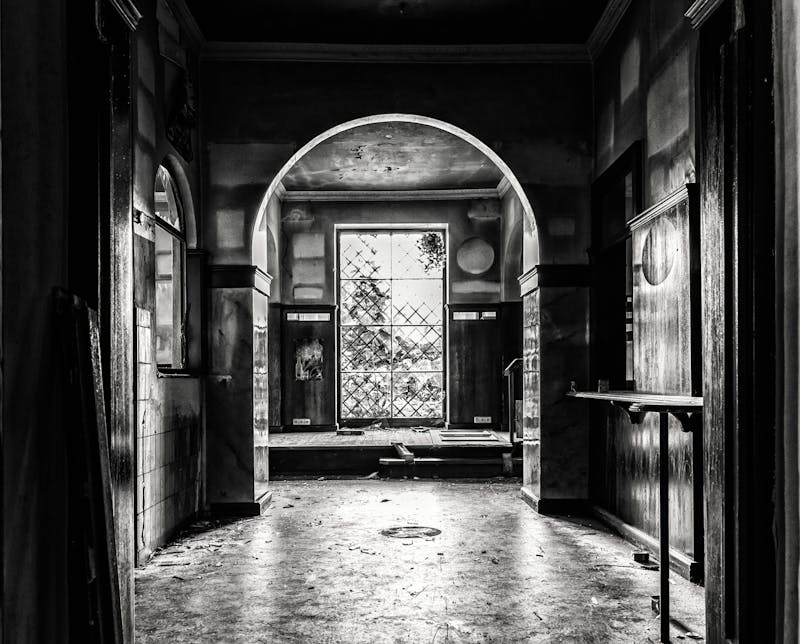
Enisala Fortress, a strategic fortification overlooking the Razim and Babadag lakes.
Perched on an isolated hill, Enisala Fortress silently guards the stories of times when Dobruja was an intersection point of great empires. Unlike other fortifications in the area, Enisala draws its uniqueness from its uniquely strategic position, dominating not only the plain but also the ancient Razim and Babadag lagoons, which were once part of the Black Sea gulf.
Probably built in the early 14th century by the Genoese, the fortress was a key point in their Black Sea trade network. Later, it came under the rule of the Ottoman Empire, serving as a garrison and customs checkpoint. Its thick stone walls and massive towers, although partially ruined, still convey a sense of power and endurance.
The Architecture of a Frontier Fortification
The fortress's plan is perfectly adapted to the hill's contour. The walls follow the rocky ridge, forming an irregular polygon with several flanking towers. The main construction material is local stone, mixed with brick for detail elements. A distinctive feature is the well-preserved gate tower, which displays architectural elements showing Byzantine and Italian influences.
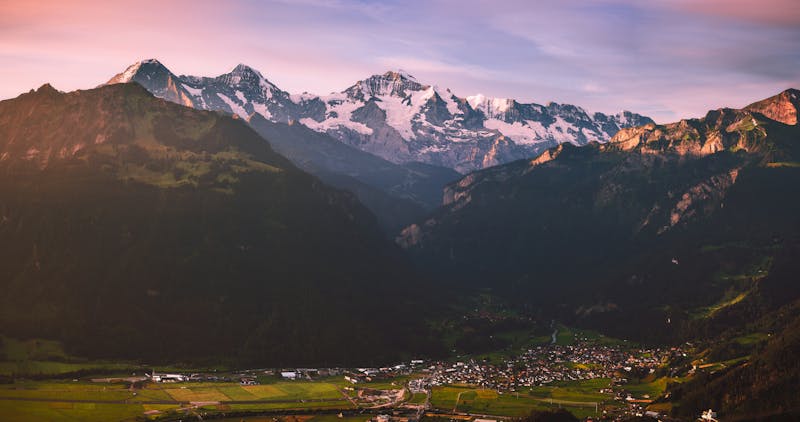
The massive masonry and construction details of the main tower.
Our guided tour to Enisala is not limited to simply visiting the ruins. We explore the broader historical context: how Genoese influence shaped regional trade, what role the fortress played in the Ottoman defensive system, and how the life of the locals in the villages at the foot of the hill was linked to the fate of this fortification.
Beyond history, the view from the height is stunning. The expanse of the lakes, marshes, and plain to the horizon offers a unique perspective on the Dobrujan landscape, explaining why this place was so strategically important for centuries.
How to Visit
Access to the fortress is via a modernized road, and the climb to the entrance is moderate. We recommend comfortable footwear. The visit is suitable for all ages and is an excellent spot for landscape photography and for those interested in medieval archaeology.