The Stone Houses of the Măcin Mountains: A Lesson in Durable Architecture
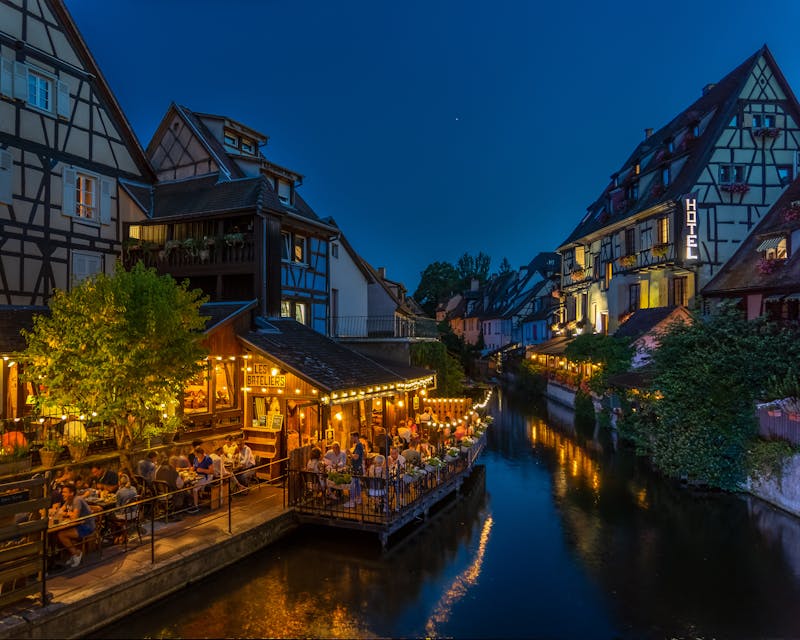
Beyond the dramatic landscapes of the Măcin Mountains, hidden in valleys and on slopes, lies a lesser-known treasure: traditional stone architecture. These dwellings, some dating back to the 18th century, are not just shelters, but living manuals of ecological construction and environmental adaptation.
Ancestral Technique: Dry Stone
The most fascinating aspect is the "dry stone" technique. Local craftsmen carefully selected stones from the area, chiseled them, and placed them one on top of another, without any mortar. This method allowed the walls to "breathe," naturally regulating interior humidity and temperature – cool in summer and warm in winter.
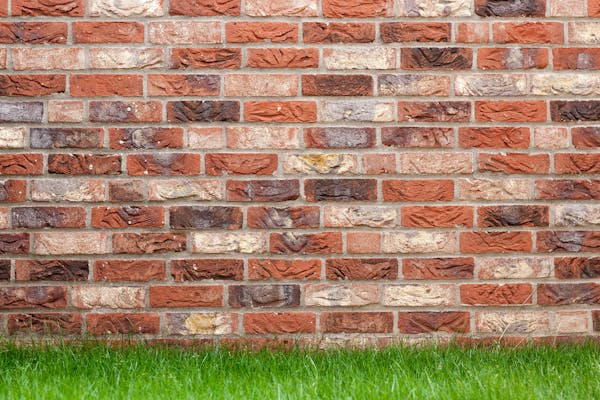
The roofs, with wide eaves, were built from oak shingles and protected the structure from rain. The orientation of the houses was not random: the main facade faced south to capture sunlight throughout the day, and the small windows reduced heat loss.
A Symbiosis with the Landscape
Each house seemed to grow from the earth. Materials were almost exclusively local: stone from nearby quarries, oak and walnut wood for beams, and clay for interior plaster. This approach reduced the carbon footprint to zero and created a perfectly integrated architectural landscape.
During a guided tour, you can touch these walls and feel the history. You can see the tool marks on the stone and understand the immense effort of the builders. It is a lesson in humility and respect for resources.
A Disappearing Heritage
Unfortunately, many of these houses are now in ruins. Young people have left the villages, and the art of dry stone construction is on the verge of disappearing. Our organization collaborates with local historians to document these unique techniques and to support limited conservation projects.
Visiting these sites is not just a journey into the past, but also an act of awareness. It reminds us that true sustainability comes from living in harmony with what surrounds us, not in spite of it.